Truth. Reckoning. Change.
What comes next after National Reconciliation Week?
Pauline Cook, CEO
Posted
National Reconciliation Week 2026 brought together hundreds of Tasmanians across three events in Nipaluna/Hobart, Pataway/Burnie and Launceston on Kanamaluka/River Tamar. The message across all three was the same, and it was clear: an honest and urgent reckoning is needed if we are to move forward.
Reconciliation Tasmania’s stand-alone theme this year deliberately diverged from the national theme. It was shaped by listening to, and responding to, the views of many Tasmanian Aboriginal people who have told us they feel a deep unease with the language and current approach to reconciliation in Tasmania.
The powerful voices that led the conversation this week made it clear: Aboriginal people have nothing to reconcile. What is needed is a reckoning, a change in our relationships at every level – from personal and organisational to structural – so that we can build a more just and equitable Tasmania.
In National Reconciliation Week 2025, Jim Everett-Purulia Meenamatta gave us a clear and urgent message about the need for change in the meaning and goals of reconciliation. His words have shaped the steps we have taken since then and continue to guide us. We are grateful to Uncle Jim and the many other leaders and Elders who have so generously shared their truths with us and continue to point the way forward.
Stepping forward to National Reconciliation Week 2026, our three events were emotional and, at times, challenging. They were also inspiring. Across the week, attendees heard powerful stories of truth-telling, self-determination, leadership and action.
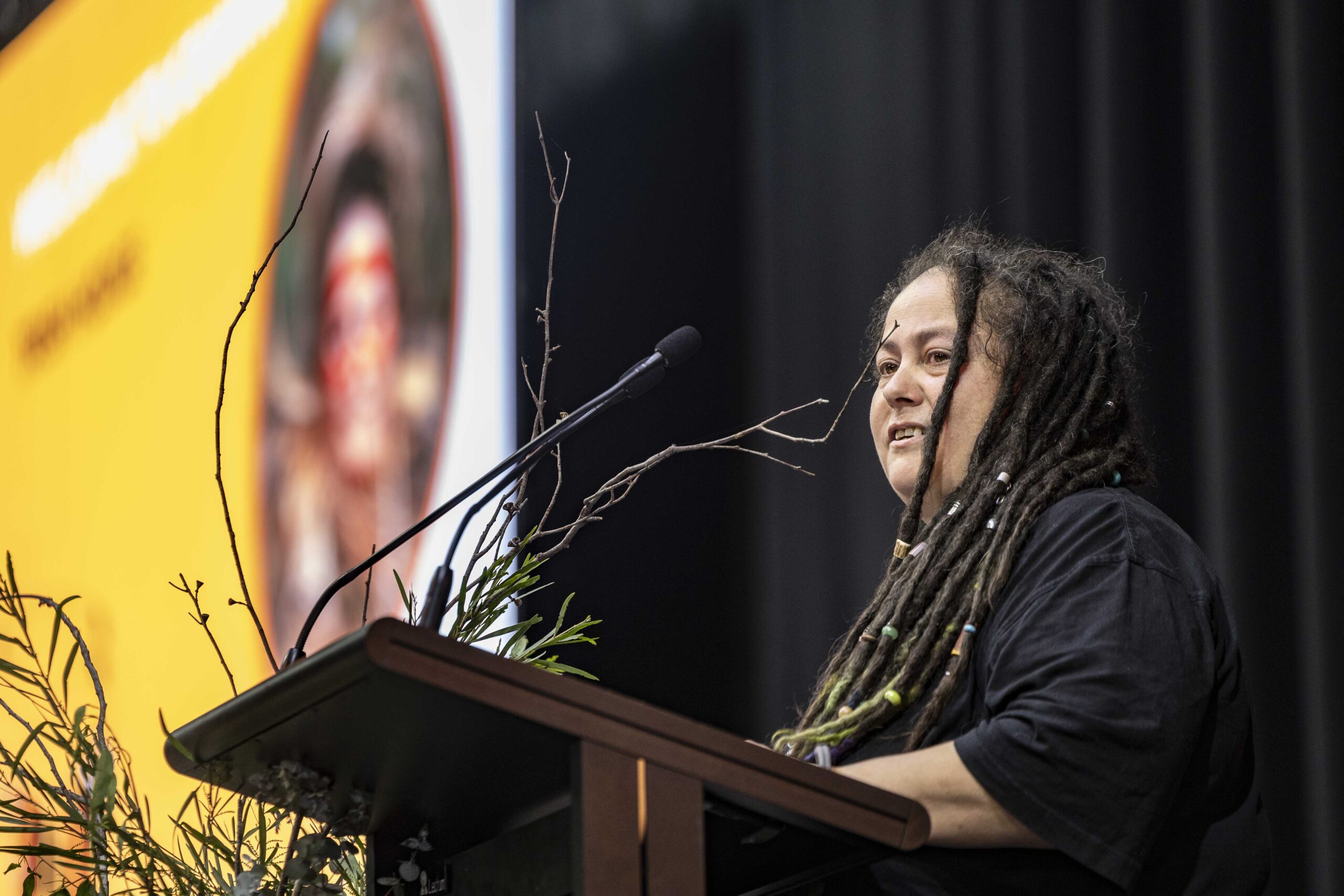
In NIpaluna/Hobart, a panel of Aboriginal and non-Aboriginal leaders and advocates co-chaired by Sinsa Mansell and Ryk Goddard shared their lived experience, wisdom and honesty, and urged us towards a re-examination of what reconciliation means and what it must become.
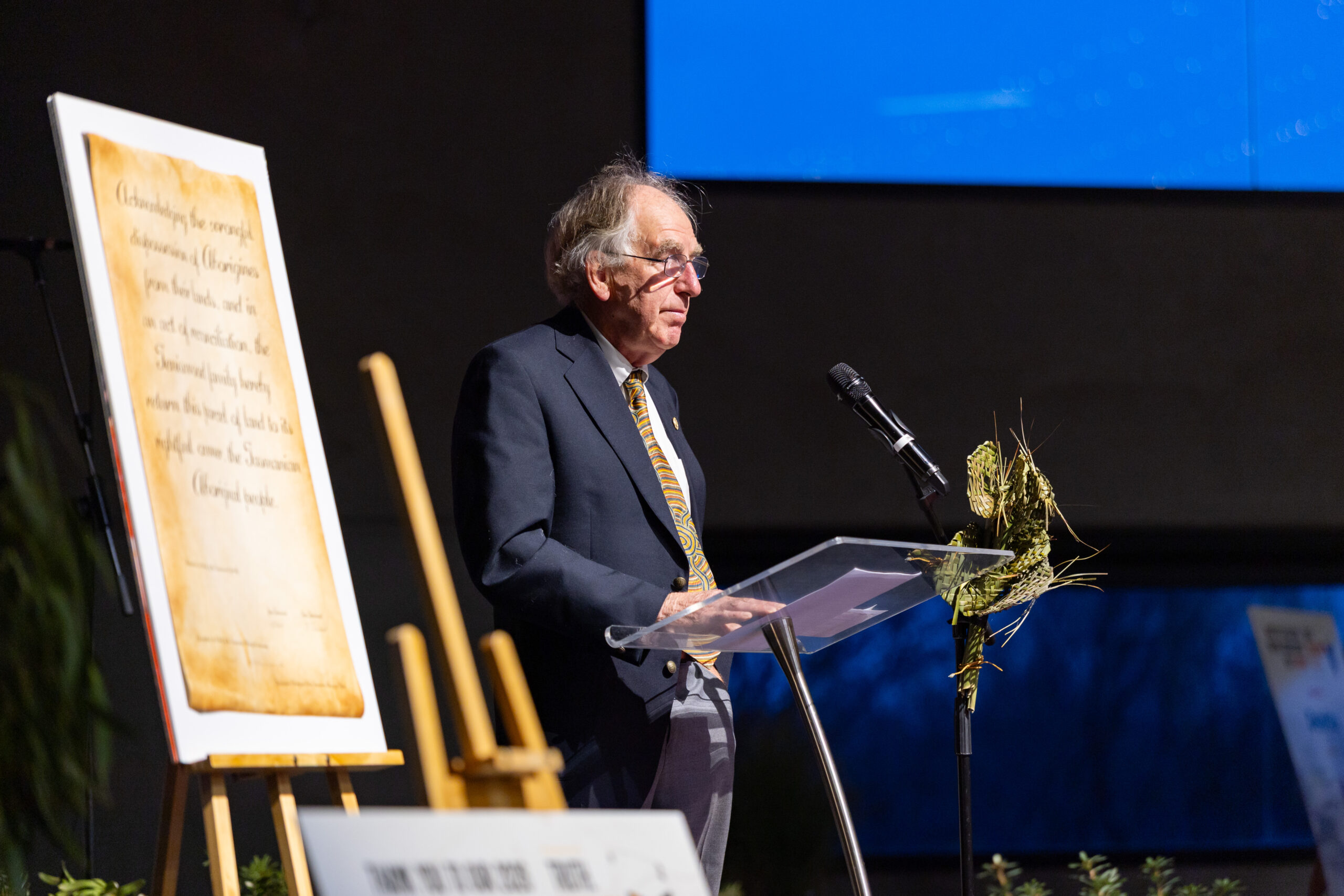
In Pataway/Burnie, Dr Ian Sale shared the story behind the return of Dempster Creek land to the Aboriginal Land Council of Tasmania, demonstrating what reconciliation actually looks like in action, not just words.
In Launceston on Kanamaluka/River Tamar, Graeme Gardner and Tom Teniswood reflected on relationship, responsibility and the impact of Tasmania’s first private land return.
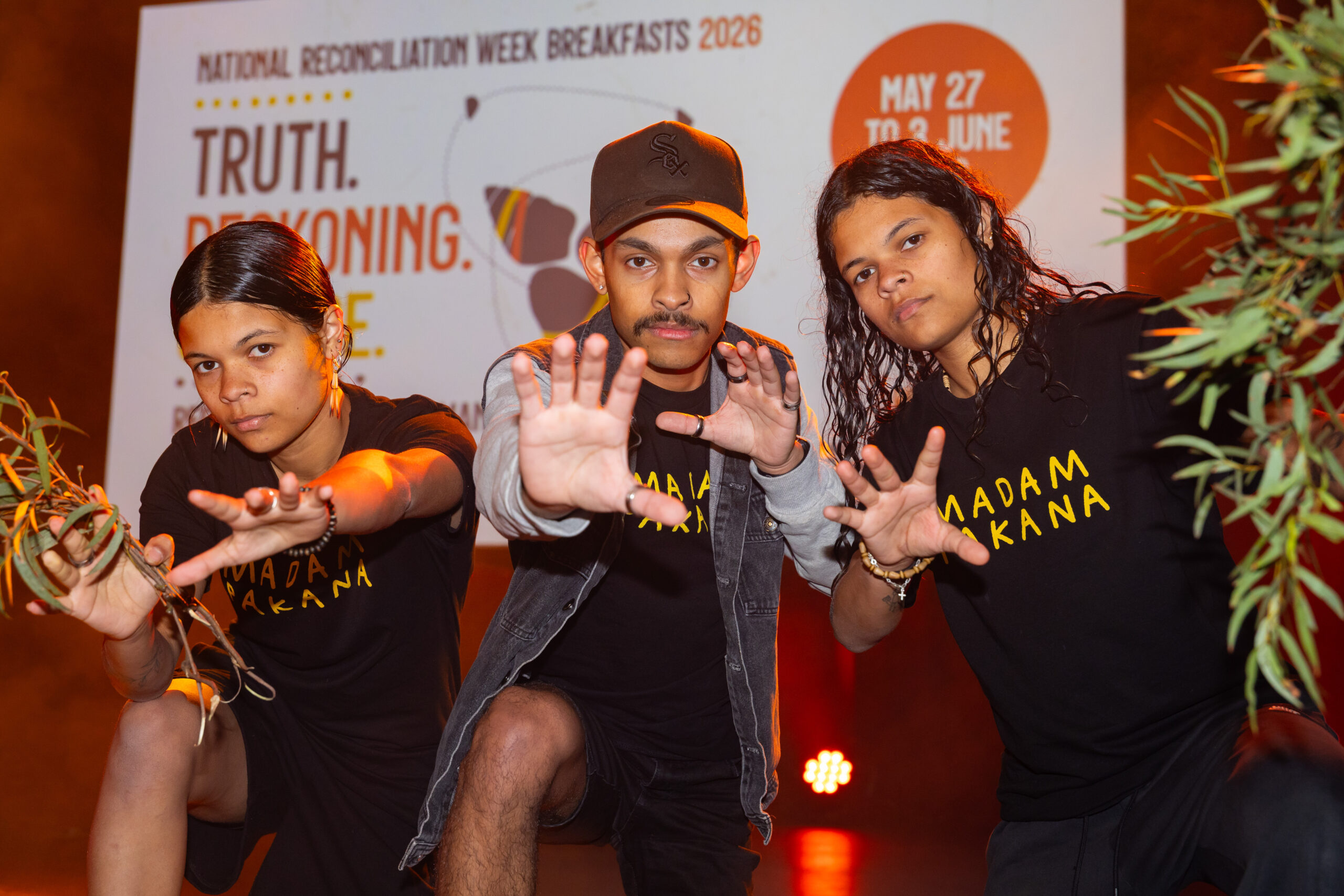
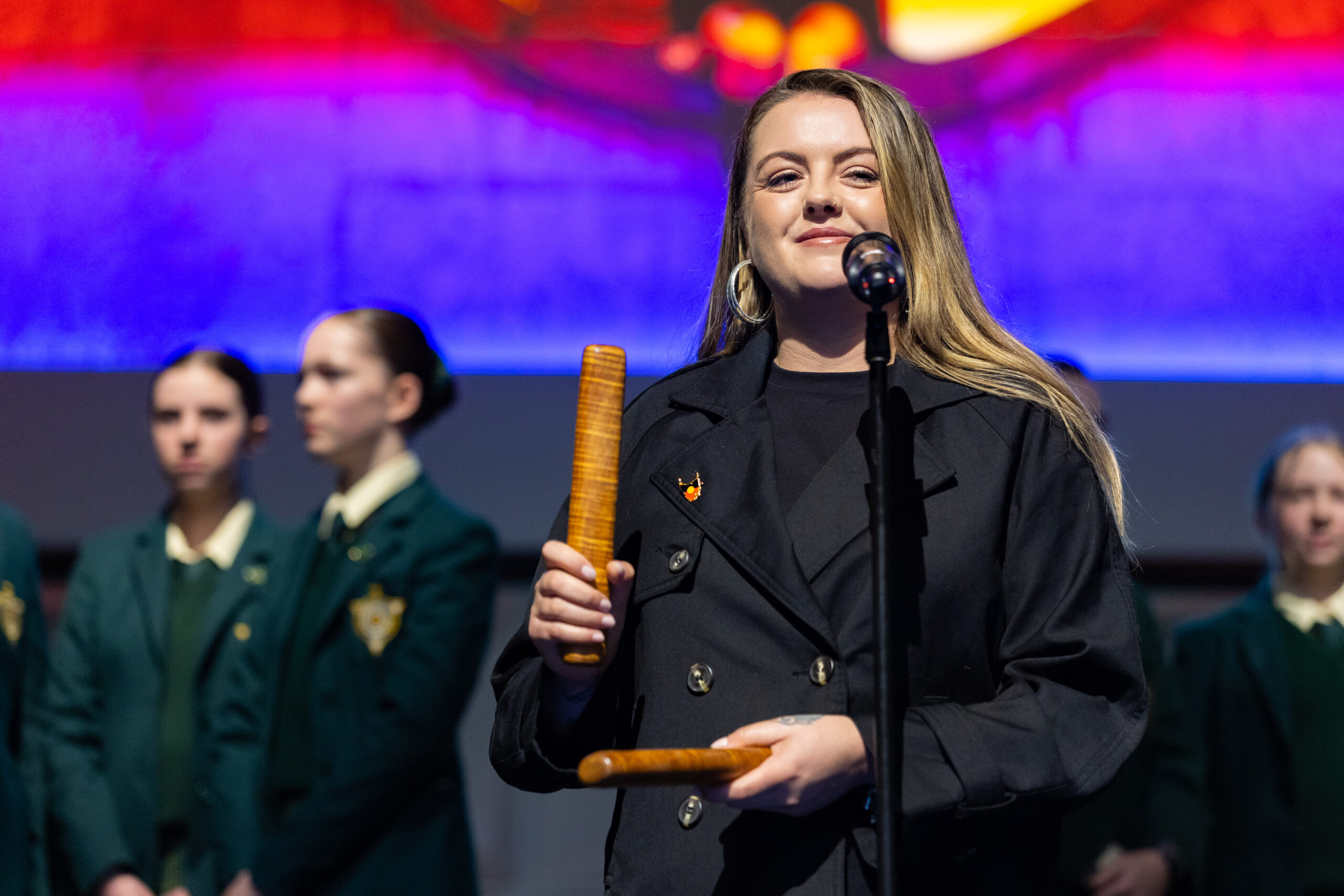
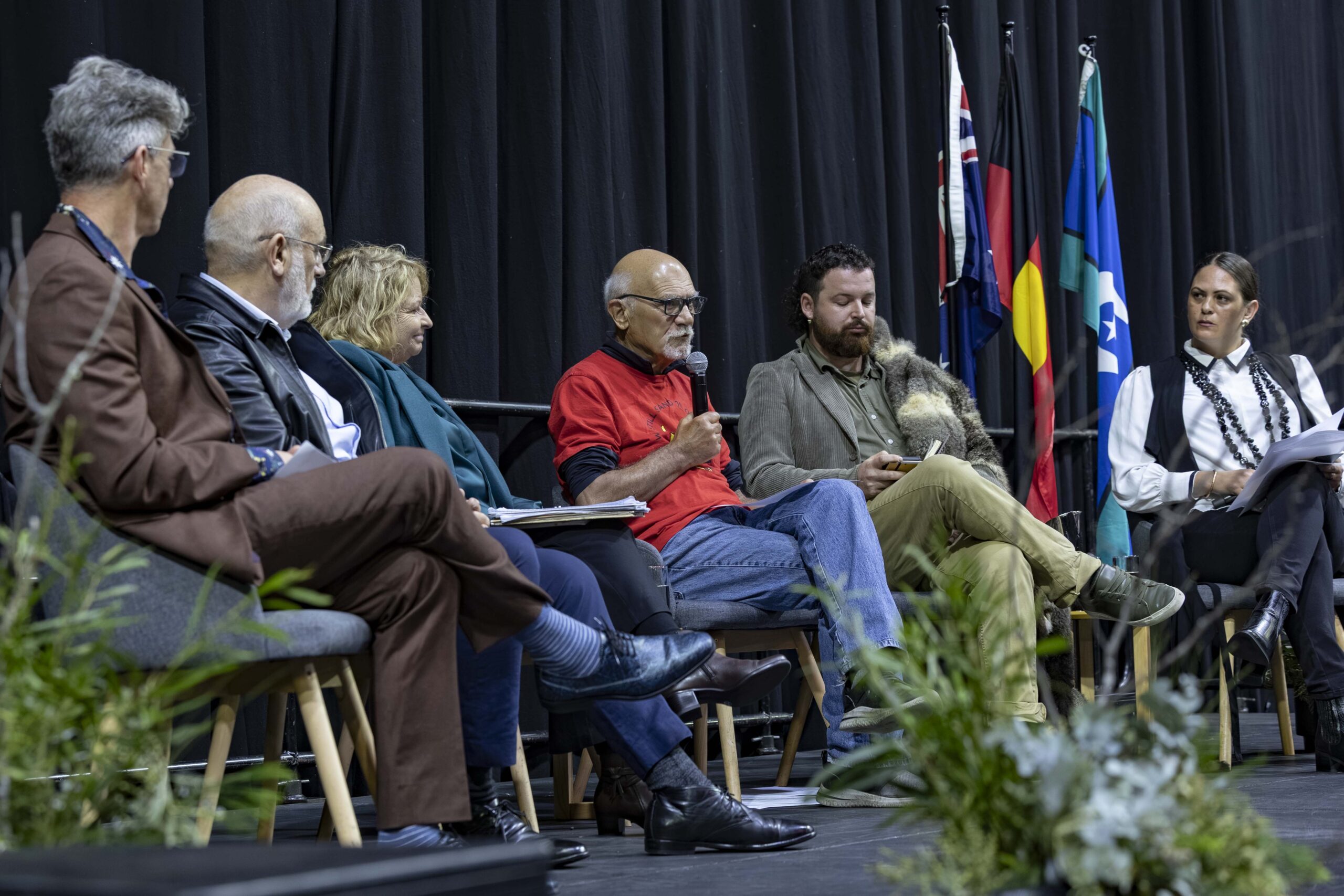
Together, these conversations challenged attendees to move beyond comfort and the performative aspects of reconciliation and consider the role each of us has in creating meaningful and lasting change.
Almost 1,500 people attended the breakfasts across the state; the strong turnout demonstrated a growing commitment to reconciliation and a willingness to engage in honest conversations about our shared history and shared future. To everyone who gave their time, shared their personal experiences, and came with open minds, we are grateful for your support.
What needs to come next
Tasmania’s history of denial and exclusion of Aboriginal people and Aboriginal histories means that reconciliation can feel, to many Aboriginal people, like further assimilation. In addition, all too often, mainstream reconciliation policies and processes have become confined to symbolism, and/or are a substitute for real progress toward the fundamental structural change that is needed, including Aboriginal rights, reparative and distributive justice, land return and self-determination. This can lead to a distrust of reconciliation processes and organisations as it does not address the fundamental project of meaningful and substantive change that is urgently required.
Developing a new understanding and approach to reconciliation in Tasmania means committing to building a new relationship between Aboriginal and non-Aboriginal people that is based on honesty, accountability and tangible action. We should not be afraid of honesty and accountability, and a responsibility to move forward in action and deed. We expect it in every functional relationship in our lives, and it is a necessary precondition for the trust and respect that must be built here.
Taking responsibility for this as individuals, as organisations, and as the state of Tasmania, is essential for coming into a right relationship with ourselves, with one another, with Country, and with the First Peoples and Traditional Owners of this place we all call home.
This is our work to do
Showing up to listen openly and to signal an intent to be part of this conversation and journey matters. However we must do more than show up and listen. Being accountable must follow, and this includes changing practices, attitudes, cultures and systems.
This is not someone else’s responsibility. For non-Aboriginal Tasmanians, this is our work to do. If reconciliation is to have impact, we must all place our part in the ongoing social and political project of transformational and structural changes between First Peoples, the wider Tasmanian community, and the state.
As you reflect on National Reconciliation Week 2026, we ask: what can you, your organisation, and your community do to be part of shaping this new approach?
Truth. Reckoning. Change. Together, let’s keep it going and make real change happen.